
Lower doses of IPF medications may not raise progression risk, study finds
Researchers analyzed outcomes in more than 1,500 patients using real-world data
Written by |
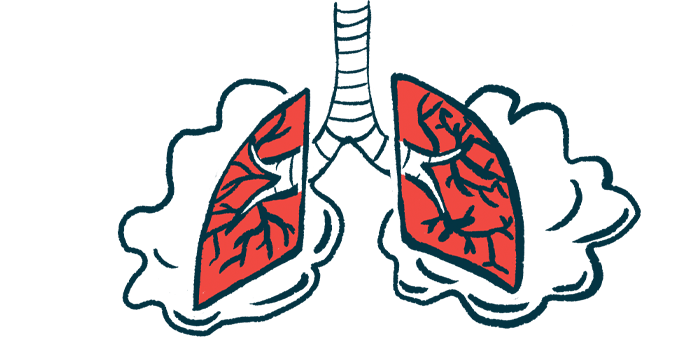
Reducing doses of antifibrotic medications when side effects make treatment difficult to tolerate was not linked to a significantly higher risk of disease progression in people with idiopathic pulmonary fibrosis (IPF), a real-world study found.
The study included more than 1,500 people with IPF. More than 30% received lower doses of Ofev (nintedanib) or Esbriet (pirfenidone) or stopped treatment for at least three months during follow-up. The researchers said these changes were likely due to difficulty tolerating the medications.

Dose reductions not linked to significantly higher IPF progression risk
Disease progression remained common regardless of dosing strategy. However, the overall adjusted comparisons showed no statistically significant difference in progression risk between patients who reduced or stopped treatment and those who remained on the full dose.
The findings “support the clinical acceptability of dose reduction strategies when required for tolerability,” the researchers wrote, while also “highlighting the ongoing need for more effective and better-tolerated IPF therapies.”
The study, “Association of Antifibrotic Dosing Patterns With Clinical Outcomes in Patients With Idiopathic Pulmonary Fibrosis in Real-World Data Sources,” was published in Chest. The study was sponsored by Bristol Myers Squibb.
Pulmonary fibrosis is a progressive lung disease marked by inflammation and scarring, which can cause symptoms such as shortness of breath and dry cough. In IPF, the cause of the disease is unknown.
Antifibrotic medications, such as Ofev and Esbriet, can slow the decline in lung function in people with IPF. However, both can cause side effects, particularly digestive problems, that may lead patients to reduce their dose or stop treatment.
Whether these dose changes affect IPF progression has remained unclear.
Study tracks antifibrotic dosing in more than 1,500 IPF patients
To investigate, researchers at Duke University Medical Center and Bristol Myers Squibb reviewed existing medical data from 1,572 people with IPF who started antifibrotic treatment. They analyzed data from 545 people in the multicenter Pulmonary Fibrosis Foundation (PFF) Patient Registry, which covered 2016 to 2021, and 1,027 people treated within the Duke University Health System from 2015 to 2021.
Participants in both groups had a median age of about 70 and were predominantly male. About half began treatment with Ofev and half with Esbriet.
The researchers classified patients as remaining on a full dose if they maintained 300 mg per day of Ofev or 2,403 mg per day of Esbriet without stopping treatment for three months or longer. Patients who received a lower daily dose for at least three months were classified as having reduced their dose. Those who went without either antifibrotic medication for at least three months were classified as having stopped treatment.
Over a median follow-up of 30 months in the PFF group and 14 months in the Duke group, 63.7% of PFF patients and 59.3% of Duke patients remained on the full dose. Dose reductions occurred in 24% and 25.9% of patients, respectively, while 12.3% and 14.8% stopped treatment.
Among patients who started on the full dose and later reduced or stopped treatment, the median time to that change was seven months in the PFF group and about six months in the Duke group.
“This early attrition underscores the importance of early management of side effects to improve long-term adherence to current antifibrotic therapies,” the researchers wrote.
Researchers find no significant overall differences in IPF progression
The researchers then examined whether dosing patterns were linked to IPF progression. They defined progression as any of the following: a relative decline of 10% or more in percent-predicted forced vital capacity (ppFVC), which compares how much air a person can forcefully exhale with the amount expected for someone with similar characteristics; hospitalization for any cause; lung transplant; or death.
Progression events were common in all dosing groups, but the rates differed between the two patient groups. In the PFF group, event rates were higher among patients who reduced their dose and especially among those who stopped treatment, compared with patients who remained on the full dose. In the Duke group, however, event rates were similar across the three dosing strategies.
After adjusting for other factors that could affect outcomes, the overall differences in IPF progression risk across dosing strategies were not statistically significant in either patient group. When the researchers examined lung function separately, the yearly rate of ppFVC decline also did not differ significantly among patients who remained on the full dose, reduced their dose, or stopped treatment in either group.
“Although numerically lower risks of progression or rates of ppFVC decline were observed among patients who remained on full doses in some analyses, these patterns were modest and inconsistent across [groups],” the scientists wrote.
“These findings support the clinical acceptability of dose reduction strategies when required for tolerability, while underscoring the need for more effective and better-tolerated IPF therapies,” the team concluded. “Future larger, independent [patient groups] would be useful to reinforce these findings, particularly as new antifibrotic choices emerge, in order to optimize patient outcomes.”



Mike Miller Sr.
If this is true then the medication is not working?