
Thanking the respiratory therapists who work quietly behind the scenes
These professionals deserve more credit for the invaluable work they do
Written by |

I recently completed 18 sessions of pulmonary rehabilitation as part of my pulmonary fibrosis (PF) journey. While I expected it to be yet another attempt to give my lungs some much-needed attention, I didn’t anticipate meeting someone whose compassion and understanding would become such an important part of my rehabilitation journey.
The respiratory therapist who guided me through those sessions was Tiffaney Martinez. Along the way, I started to see the person behind the profession.
To be honest, I’m usually not very motivated to complete a pulmonary rehab program. I don’t like the feeling of running out of oxygen when I exert myself, but I figured that completing this rehabilitation would be another part of facing my journey. However, Tiffaney encouraged me to take my time and do my best, so I gradually began to trust her with my exercise routine. She reminded me that I should always do what I could but never go beyond what my body was telling me. I know this sounds like common sense, but those who know me understand that I always have something to prove. And I’m constantly proving that I must do more so that PF won’t beat me.

During my rehabilitation, I realized how little recognition respiratory therapists often receive. They work quietly in the background, caring for patients who come through their door. But their work is not insignificant.
They watch us breathe, monitor our oxygen levels, and notice when we’re struggling, tired, or pushing ourselves harder than we should. They encourage us when we want to give up and remind us that progress doesn’t always mean doing more. Sometimes it means simply doing what our bodies allow us to do.
I asked Tiffaney if patients sometimes underestimate their progress by comparing themselves to who they were before their illness. Her response made me think about how easily we can minimize what our bodies are telling us.
She explained that patients don’t always realize how much their symptoms have affected their daily lives. Some may even minimize what they are experiencing because they don’t want to draw attention to themselves or feel like a burden to their family and friends. That really resonated with me.
Because I live with PF, I know how easy it is to compare who I am today with who I was before my illness. But pulmonary rehab taught me to pay attention to what my body can do today rather than constantly comparing it to what it could do before.
Perhaps progress isn’t about becoming the person we were before our illness. Maybe it’s about learning to recognize what our bodies can do today and being proud of it.
Making us feel seen and heard
I wanted to know more about Tiffaney’s profession and what she considered the most rewarding part of her job. I also wondered whether respiratory therapists receive the recognition they deserve, especially since so much of their work happens behind the scenes.
I learned that she has been a respiratory therapist for 15 years and has worked at three major hospitals in the Houston area throughout her career. As someone who is not in the medical profession, but who has experienced the healthcare system both as a patient and a patient advocate, I know how difficult it can be to be seen and heard. I wondered if respiratory therapists sometimes experience that same feeling of being overlooked.
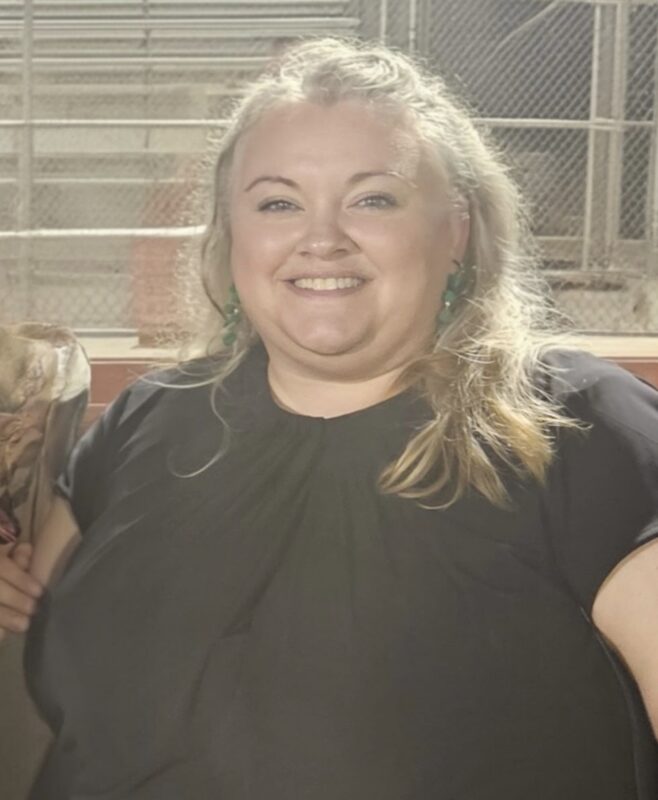
Tiffaney Martinez has been a respiratory therapist for 15 years. She was an important part of columnist Ann Reynoso’s pulmonary rehab journey. (Courtesy of Tiffaney Martinez)
I also wanted to know what she wished more people understood about the role of a respiratory therapist. She explained that people sometimes compare respiratory therapists to nurses or physical therapists because they may not fully understand the differences between the professions. While each profession has its own area of expertise, respiratory therapists have specialized education and training in respiration, ventilation, oxygen therapy, and cardiopulmonary care.
Listening to her made me realize just how much knowledge goes into the care we receive during pulmonary rehabilitation. I had walked into rehab thinking primarily about exercise and improving my breathing. I hadn’t really considered the specialized knowledge of the person standing beside me, watching my breathing, monitoring my response to activity, and encouraging me to safely keep going.
There were other patients there during my time in pulmonary rehab, and Tiffaney patiently attended to each of them as well. I admired how she tirelessly took the time to care for each one of us, never making anyone feel rushed or overlooked. This is what I hope people see — not only the importance of the profession, but also Tiffaney, the person behind the title.
Exercise is still something I have to work hard at, but since completing pulmonary rehab, I realize how important it is to keep moving and to continue caring for my lungs. Perhaps she doesn’t realize it, but her encouragement didn’t end with my 18 sessions. A part of it came home with me.
I came to pulmonary rehab for my lungs but found something for my spirit, too.
Note: Pulmonary Fibrosis News is strictly a news and information website about the disease. It does not provide medical advice, diagnosis, or treatment. This content is not intended to be a substitute for professional medical advice, diagnosis, or treatment. Always seek the advice of your physician or other qualified health provider with any questions you may have regarding a medical condition. Never disregard professional medical advice or delay in seeking it because of something you have read on this website. The opinions expressed in this column are not those of Pulmonary Fibrosis News or its parent company, Bionews, and are intended to spark discussion about issues pertaining to pulmonary fibrosis.



Leave a comment
Fill in the required fields to post. Your email address will not be published.